-
The Future of Pharmaceuticals: Green Chemistry Innovations
Pharmaceuticals can negatively impact the environment after use, contributing to issues like antibiotic resistance. Green chemistry addresses this by designing safer, sustainable drugs using renewable resources and reducing waste. Innovative processes for drugs like ibuprofen and artemisinin enhance environmental protection while ensuring effective treatments, promoting a cleaner future for health and planet.
-

Electrifying Proteins: Unlocking Sustainable Energy Solutions
The Cell-e-brities series explores the fascinating role of proteins as nanowires, particularly in bacteria like Geobacter sulfurreducens. These proteins conduct electricity, aiding survival in low-oxygen environments. Scientists seek to enhance their efficiency for applications in bio-batteries, microbial fuel cells, and sustainable energy, highlighting their importance beyond traditional biological functions.
-
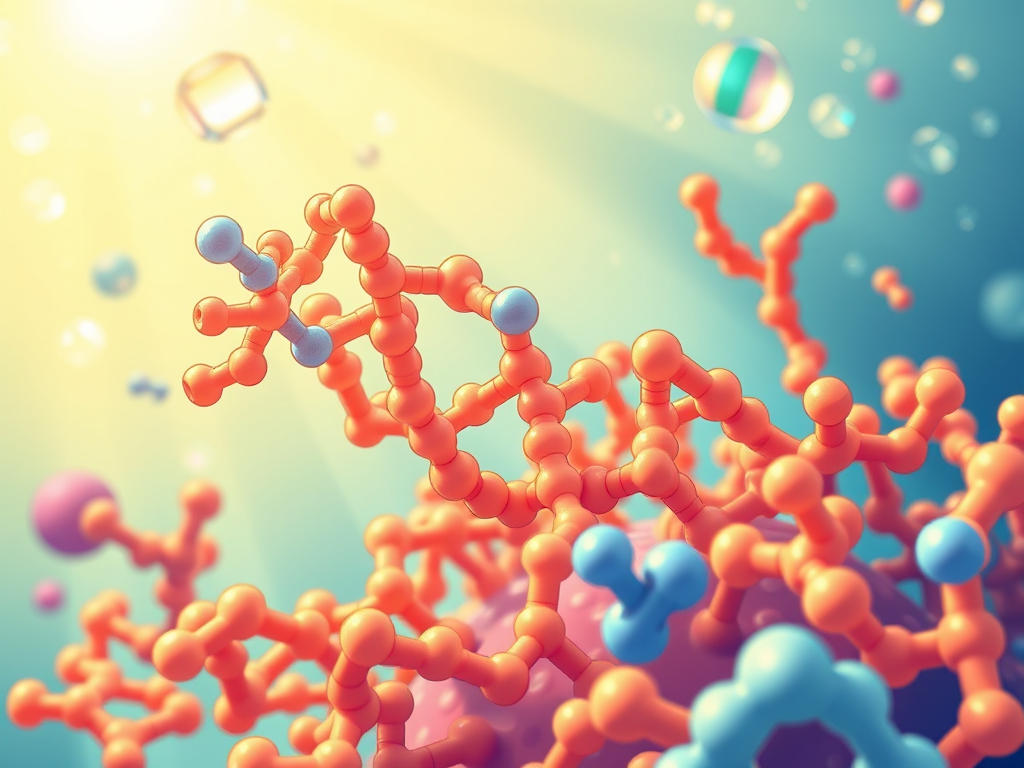
Innovative Uses of Protein Nanofibrils in Water Purification
The Cell-e-brities series features a dialogue with ‘Proteins,’ focusing on their role as Protein Nanofibrils in addressing water scarcity. These nanofibrils possess unique structural features that enable effective water purification, showcasing eco-friendly and sustainable solutions. Proteins emphasize the importance of sustainability, promoting a shared responsibility for environmental welfare.
-
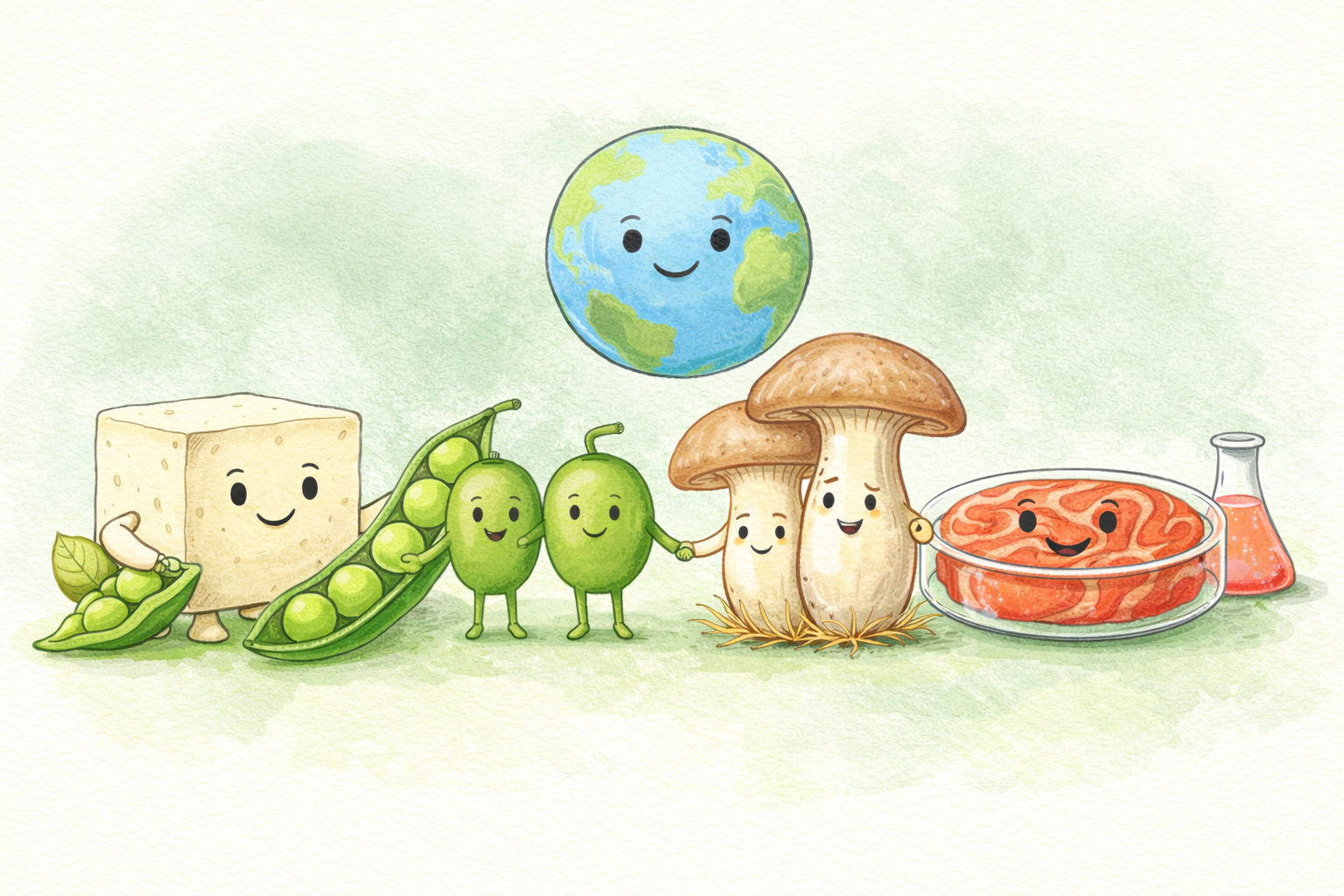
Debunking Myths: The Truth About Plant Proteins
In the ‘Cell-e-brities’ series, host Van discusses alternative proteins derived from plants, fungi, and lab-grown sources. Experts share insights on soy, pea, mycelia, and lab-grown meat, highlighting their nutritional benefits, environmental advantages, and market growth. The conversation emphasizes the role of alternative proteins in promoting sustainable food practices.
-

How Scientists Combat Drug Resistance in Malaria
The dialogue between Vandana and Savvy illustrates the intricate link between biology and medicine, particularly in combating diseases like malaria. They discuss the challenges of drug resistance and the innovative research methods used, such as synthesizing plasmepsins inhibitors and employing X-ray crystallography to explore protein structures, emphasizing the complexity and time required for scientific advancements.
